Devil May Cry
A half-demon's swagger reshaped what action games could be.

Xin Mei · CC BY 2.0
Built around the irreverent half-demon swordsman Dante and his family's legacy of demon hunters, the series is celebrated for its fast-paced, style-driven combat, gothic-urban settings, and a rock-and-roll sensibility that set it apart from the survival-horror titles dominating Capcom's catalogue at the time. As a development and legacy subject, Devil May Cry represents one of the most influential design philosophies in modern action gaming. Its emphasis on combo variety, style rankings, and expressive character movement helped define the 'stylish action' subgenre, shaping the design language of subsequent titles across the industry and spawning an extensive multimedia franchise including sequels, a reboot, an anime adaptation, and manga.
- Developer / Publisher
- Capcom
- Original Director
- Hideki Kamiya
- Genre
- Action / Hack-and-slash
- Protagonist
- Dante (half-demon swordsman)
- Signature mechanic
- Style-based combat and Devil Trigger transformation
Verified Timeline
Lore & Background
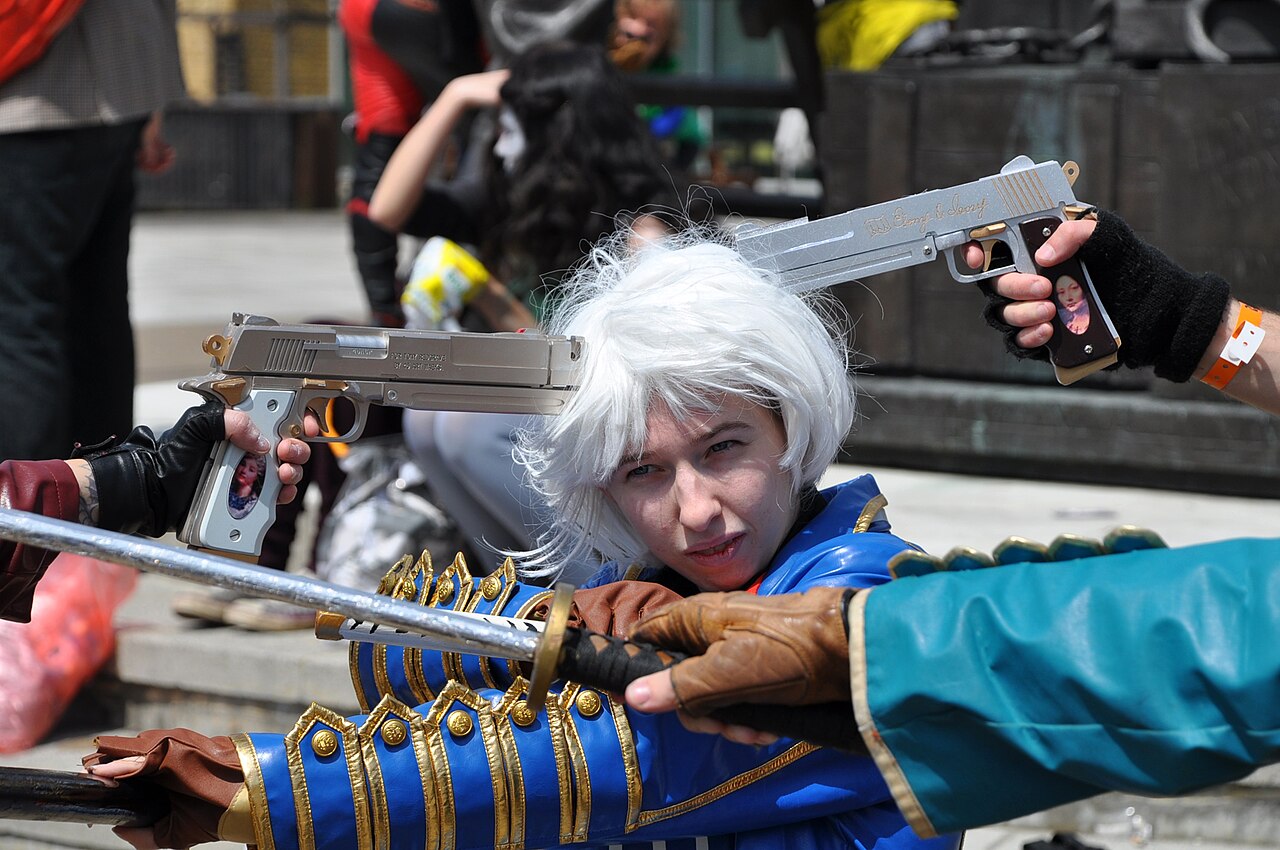
At the heart of the Devil May Cry mythology lies the Sparda lineage. Sparda, once a demon of extraordinary power, defied the demonic hierarchy and fathered twin half-demon sons, Dante and Vergil, with the human woman Eva. The narrative threads across the games trace the tension between these brothers—Vergil's cold ambition to reclaim his full demonic power and Dante's irreverent, freedom-loving refusal to be defined by his heritage. The demon world, with its rigid caste system and ancient grudges, serves as a backdrop against which these personal conflicts play out across multiple generations, including the younger half-demon Nero and the enigmatic V. The combat philosophy of the series is inseparable from its lore. The Devil Trigger mechanic—where a character's inner demon surges to the surface—serves as both a gameplay tool and a narrative metaphor for the constant negotiation between human and demonic natures. This aesthetic, paired with the series' signature rock and orchestral score, creates a tone that is simultaneously theatrical and intimate, a quality that has become a hallmark of the franchise's identity.
In Their Own Story
The neon sign above the shop flickered—'Devil May Cry'—casting a stuttering red glow across the cluttered counter. Dante leaned back in his chair, boots up, a half-eaten pizza box balanced on his knee. The door chimed. Another client, another demon problem, another invoice he'd forget to send. He grinned, the kind of grin that promised he'd be late, messy, and completely unapologetic about it. Somewhere above the clouds, a sword hummed with a cold, patient hunger, waiting for its owner to finally remember what it was for. Dante took a bite of pizza and didn't look up. 'Yeah, yeah. Sit down. I'll be right with you. Probably.'
Reader's Guide
Devil May Cry was developed by Capcom, with the original title directed by Hideki Kamiya. The original game was born from a prototype for a new Resident Evil title, but Kamiya’s vision—fueled by a love for action movies and a desire to make players feel like a 'cool, invincible hero'—pushed it firmly into the action-adventure space. The combat system, with its tiered style rankings and emphasis on fluid combo chains, was a deliberate departure from the cautious, resource-managing gameplay of contemporaries. Reception of the series was immediate and fervent, with critics praising its breakneck pacing and the sheer satisfaction of juggling enemies midair. The franchise’s influence rippled outward, inspiring a generation of developers to prioritize player expression over raw damage output.
Did You Know?
- The original Devil May Cry was developed within Capcom's Resident Evil team before branching into its own distinct action identity under Hideki Kamiya's direction.
- Dante's twin handguns are named Ebony and Ivory, a detail that became a fan-favorite piece of character design.
- The series' emphasis on 'style' as a gameplay metric—rewarding players for varied, expressive combat rather than pure efficiency—became a defining feature of the stylish-action subgenre across the industry.
- Hideki Kamiya, the franchise's original director, later departed Capcom to co-found PlatinumGames, where he continued to champion high-octane, style-forward action design.
Origins & Creative Vision
Devil May Cry was born from creative frustration. Hideki Kamiya, working at Capcom, had originally set out to develop what would have become Resident Evil 4. That project stalled, and from the aborted effort emerged an entirely new vision: a game built around fast, expressive combat rather than survival tension. Capcom initially believed their horror franchise had no need for such a shift, yet they ultimately backed the standalone project with genuine confidence. The result drew its name from Italian poet Dante's Divine Comedy, weaving literary resonance into a demon-hunting narrative. Kamiya directed the first entry, after which Hideaki Itsuno took the helm for every subsequent mainline title through Devil May Cry 5, with writer Bingo Morihashi shaping the series' storytelling. This transition of creative leadership helped the franchise evolve from a single bold experiment into a deeply established pillar of Capcom's catalog, one that would go on to define an entire subgenre of action gaming.
Combat Philosophy & the Style System
At the heart of Devil May Cry lies a radical design philosophy: combat is not merely about defeating enemies but about performing. The series pioneered the character-action subgenre, where every strike, dodge, and weapon swap contributes to a real-time style score. Players are graded on a scale from D all the way up to SSS, with the evaluation factoring in the length of their attack chains, their ability to avoid taking damage, the variety of moves they string together, the time they take, and how many collectible items they gather and deploy. The Devil Trigger mechanic, a signature ability across every main entry, lets a character briefly channel a demonic form tied to their current weapon, boosting speed and raw power while slowly regenerating health. In later installments the grading system grew stricter, requiring players to constantly vary their attack patterns to sustain a high rank, turning every encounter into an improvisational dance where repetition is punished and creative choreography is rewarded.
Mechanical Evolution Across the Mainline Entries
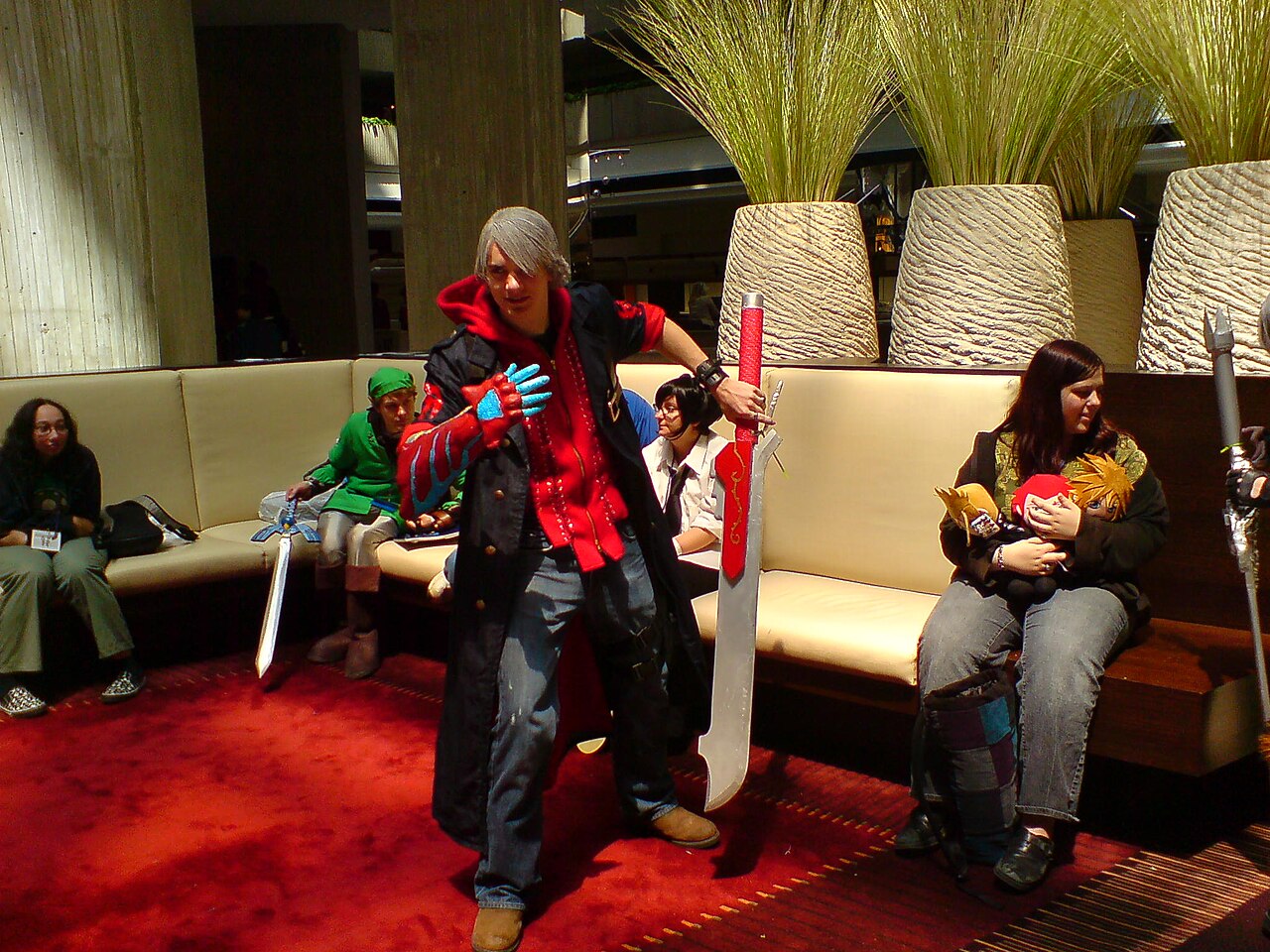
The franchise's mechanical identity has deepened with every entry. The first game retained faint traces of survival-horror exploration but quickly prioritized rapid, choreographed combat. Devil May Cry 2 expanded the toolkit with mid-air combination attacks, dedicated evasion and weapon-swap buttons, and introduced the beloved Bloody Palace mode alongside playable characters Lucia and Trish. Devil May Cry 3: Dante's Awakening let players level up individual fighting styles through experience points, added a second weapon-cycling button, and its Special Edition unlocked Vergil as a playable option. Devil May Cry 4 brought Nero and his Devil Bringer arm, which could yank enemies closer, execute context-sensitive parries, and traverse the environment, while his sword could be pre-charged for bonus damage and style points. Dante gained the freedom to swap weapons and styles mid-combo. The 2015 Special Edition added Vergil, Lady, and Trish. Devil May Cry 5, released in March 2019, carried this evolutionary momentum forward.
Legacy, Media Expansion & Cultural Reach
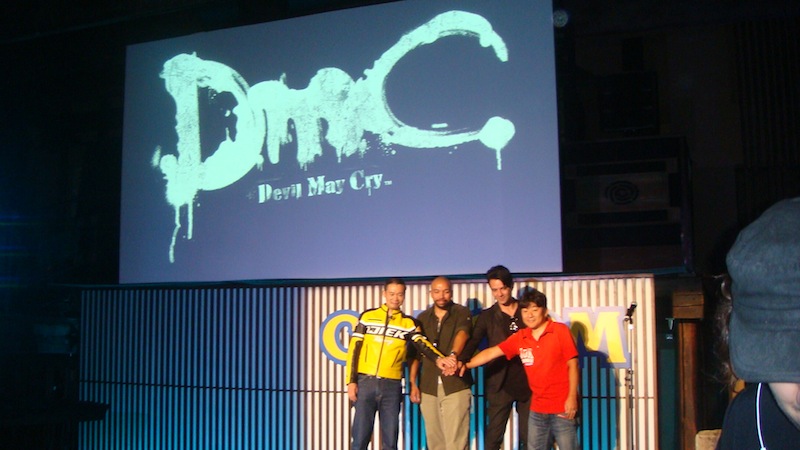
Devil May Cry's commercial footprint is enormous: the mainline titles have collectively sold forty-one million copies worldwide and earned Capcom's prestigious Platinum Title recognition. That success radiated far beyond the console, spawning comic books, novelizations, a canonical anime series, a separate Netflix animated adaptation, strategy guides, collectible figures, and crossover appearances in titles like Marvel vs. Capcom and Punishing: Grey Raven. In 2010, Capcom partnered with Ninja Theory to produce DmC: Devil May Cry, a bold reboot that reimagined Dante and Vergil as Nephilim and transplanted the action into an urban-fantasy Limbo. The original PlayStation 2 trilogy received a high-definition HD Collection in 2012, was re-released on modern platforms in 2018, and arrived as standalone Nintendo Switch titles between 2019 and 2020, with Devil May Cry 3 gaining exclusive new modes on that platform. Even mobile audiences were courted through feature-phone titles like Deadshot and Dante X Vergil, ensuring the franchise's reach stretched across virtually every screen of its era.
Gallery



Frequently Asked Questions
What role did Devil May Cry play in shaping Viewtiful Joe's gameplay?
Devil May Cry's signature Style-based combat and Devil Trigger transformation set a studio-internal benchmark for flashy, combo-driven action that Viewtiful Joe channeled through its movie-inspired power-ups. Both titles treat player expression and visual flair as core mechanics rather than secondary rewards.
More in Development & Legacy
Related in Viewtiful Joe
Links follow this subject's own source article.
Elsewhere in the Viewtiful Joe universe
Spotted an error? Know more?
This is a living reference — every entry is fact-audited, and reader corrections feed straight into our audit queue. Suggest an edit · See this site's audit record